
Featured Trip - 10 Days Everest Base Camp Trek -
Explore More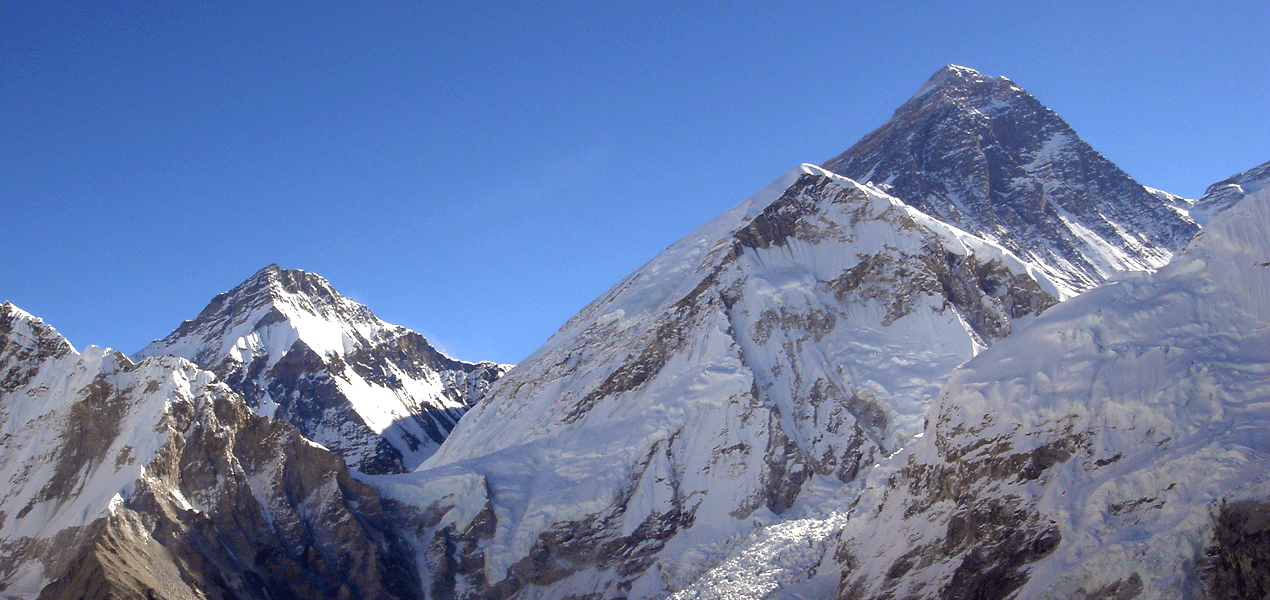
The Everest Base Camp Trek is a popular trek in Nepal that takes you to the base of Mount Everest, the highest mountain in the world. It is a challenging trek that involves hiking through the beautiful landscapes of the Solu-Khumbu region, including the Sagarmatha National Park, home to the Sherpa people and a variety of wildlife. The trek typically takes about 10 days to complete, depending on your pace and the route you take.
During the trek, you will hike through forests of rhododendron and pine, along glacial rivers, and past traditional villages and monasteries. You will also have the opportunity to visit the Tengboche Monastery, the highest monastery in the world, and Kala Patthar, a viewpoint from which you can get a stunning panoramic view of the Himalayas.
The trek can be physically demanding, as you will be hiking for several hours each day at high altitudes. It is important to be in good physical condition and to properly acclimatize to the altitude in order to reduce the risk of altitude sickness. It is also important to be properly equipped with the necessary gear and clothing to ensure a safe and comfortable journey.
Overall, the Everest Base Camp Trek is an unforgettable experience that offers the opportunity to explore the stunning beauty of the Himalayas and learn about the culture and traditions of the Sherpa people.
The best season for a 10-day Everest Base Camp trek is typically considered to be from September to November and from March to May.
During these seasons, the weather is generally clear and stable, with mild to moderate temperatures. The days are warm enough for comfortable trekking, and the nights are cool but not freezing. The views of the mountains are also typically crystal clear during these seasons, making for excellent photo opportunities.
However, it’s important to note that the weather in the Himalayas can be very unpredictable, and it’s always a good idea to be prepared for a variety of conditions. It’s also worth considering the crowds, as the trek can get quite busy during peak season.
During the 10-day Everest Base Camp trek, you will be provided with three meals a day, which will typically include a mix of traditional Nepali and Western dishes. Some common options may include:
Breakfast: Oatmeal, Scrambled eggs, Toast with jam or honey, Porridge, Muesli, Fresh fruits
Lunch: Rice with lentils and vegetables, Noodles with vegetables, Soup, Sandwiches, Wraps
Dinner: Dal bhat (a traditional Nepali dish consisting of rice, lentils, and vegetables). Momo (Nepali dumplings). Macaroni and cheese. Fried rice, Stews, Grilled meats
Accommodations during the trek will vary depending on the specific itinerary you choose. Some options may include camping, staying in tea houses (basic lodges with shared facilities), or staying in more luxurious lodges with private rooms and en-suite bathrooms.
It is important to discuss the type of accommodations you prefer with your trekking company or guide before booking your trip.
To complete a 10 day Everest Base Camp Trek, you will need to obtain the following permits:
Trekker’s Information Management System (TIMS) Card: This permit is required for all trekkers in Nepal, regardless of the destination. It is a way for the government to track and manage the number of trekkers in the country.
Sagarmatha National Park Permit: This permit is required for all trekkers visiting the Sagarmatha National Park, which includes the Everest Base Camp Trek. It allows you to enter and visit the protected area, as well as participate in any activities such as trekking, climbing, or cultural tours.
Special Area Permit: If you are planning to trek to any areas beyond the Everest Base Camp, such as Gokyo Lakes or the Three Passes Trek, you will also need a Special Area Permit. This permit is required for all trekkers visiting these restricted areas, which are considered to be more remote and less developed than other trekking routes in Nepal.
You can obtain these permits by contacting a local trekking agency or by visiting the Department of Immigration in Kathmandu. It is important to note that you will need to provide passport-sized photos and proof of travel insurance when applying for these permits.
You should also make sure to bring your original passport with you on the trek as you may need to show it at various checkpoints along the way.
After arriving in Kathmandu, you will be transferred to your hotel. You can spend the rest of the day exploring the city and preparing for the trek.
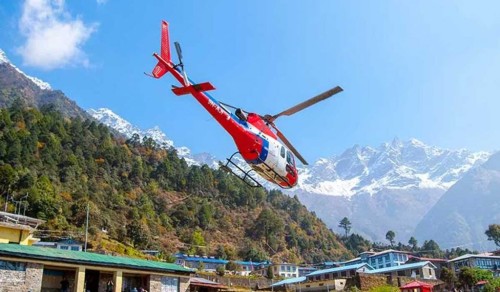
In the morning, you will take a flight from Kathmandu to Lukla. After landing, you will start your trek to Phakding, following the Dudh Koshi River. You will pass through small villages and forests along the way.
Today, you will continue your trek to Namche Bazaar, the largest town in the Khumbu region. You will pass through several villages and cross over the high suspension bridge over the Dudh Koshi River.
This is a rest day to allow your body to acclimatize to the high altitude. You can take a short hike to the nearby village of Khumjung or visit the Sagarmatha National Park Museum.
Today, you will trek to Tengboche, home to the largest Buddhist monastery in the region. Along the way, you will pass through forests and enjoy panoramic views of the surrounding peaks.
Today's trek will take you through the Imja Khola valley, passing through the villages of Pheriche and Orsho. You will also get your first glimpse of Ama Dablam and Makalu, two of the highest peaks in the region.
This is another rest day to allow your body to acclimatize to the high altitude. You can take a short hike to the nearby village of Chhukung or visit the Dingboche Monastery.
Today, you will continue your trek to Lobuche, passing through the picturesque village of Dusa and crossing over the Khumbu Glacier.
Today, you will trek to Gorak Shep, the last village before the base camp. In the afternoon, you will visit the base camp of Mt. Everest and take in the breathtaking views of the surrounding peaks.
In the morning, you will hike to Kalapatthar, a viewpoint offering stunning panoramic views of the surrounding peaks. In the afternoon, you will return to Pheriche, where you will spend the night.
The 10 Days Everest Base Camp Trek typically takes around 10 to 12 days, including trekking to Everest Base Camp and returning to Lukla or Kathmandu.
The trek involves ascending to altitudes of up to 5,364 meters (17,598 feet) at Everest Base Camp, with gradual gains in elevation throughout the trek.
Previous trekking experience is not mandatory, but participants should have a reasonable level of fitness and be prepared for moderate to challenging terrain and high altitudes.
The best time to undertake the trek is during the spring (March to May) and autumn (September to November) seasons when the weather is clear, and the skies are generally stable, offering optimal visibility and comfortable trekking conditions.
Accommodation during the trek typically consists of teahouses or guesthouses along the route, offering basic yet comfortable lodging with shared facilities such as bathrooms and dining areas.
While there are no strict age restrictions, participants should be in good health and physical condition to undertake the trek. It's advisable to consult with a healthcare professional before embarking on the journey, especially for elderly or younger participants.
Trekking hours vary each day but typically range from 5 to 7 hours, depending on the specific itinerary and pace of the group.
The maximum group size can vary depending on the trekking company and logistics, but it's generally around 10 to 15 participants per group to ensure a manageable and enjoyable experience.
Yes, trekkers need to obtain permits for the Everest Base Camp Trek. The main permits required are the Sagarmatha National Park Entry Permit and the Khumbu Pasang Lhamu Rural Municipality Permit, which can be obtained in Kathmandu or Lukla before starting the trek.
The cost of the trek can vary depending on factors such as the trekking company, itinerary, group size, and inclusions. On average, the cost ranges from USD 1,000 to USD 2,000 per person, including accommodations, meals, permits, guide fees, and airport transfers. It's essential to check with the trekking company for specific pricing and inclusions before booking.
Response Time 3 Hours , Response Rate 100%
Enjoy the popular trekking and tour packages in Nepal Himalayas. 2026.
© 2011 - 2026 All rights reserved. Everest Helicopter Trek