Featured Trip - Premium Everest Base Camp Trek -
Explore More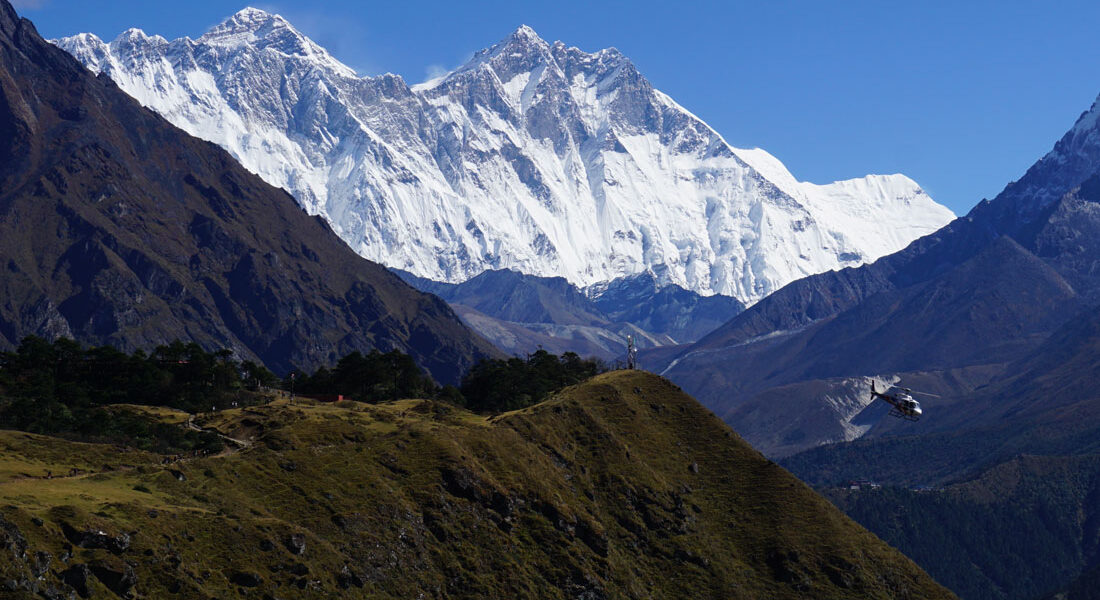
The Everest Base Camp Trek is a popular trekking route in Nepal that takes you to the base camp of Mount Everest, the highest mountain in the world. The trek usually takes about 9 days to complete, depending on your pace and the route you take.
The trek starts in Lukla, a small town in the Solu-Khumbu region of Nepal, and follows the Dudh Koshi River towards Namche Bazaar, the main town in the region. From Namche, the trail continues to Tengboche, Dingboche, Lobuche, and finally to the Everest Base Camp, located at an altitude of 5,364 meters (17,598 feet).
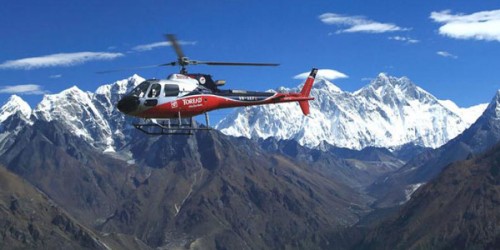
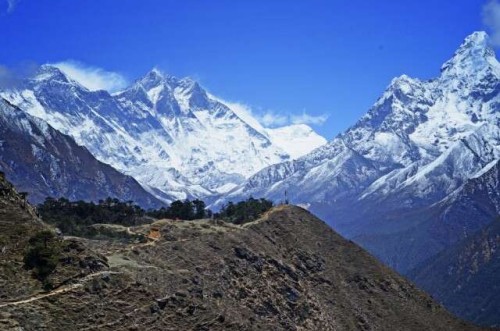
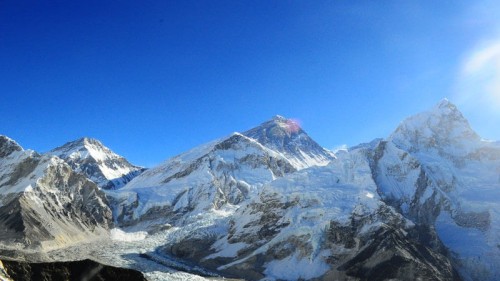
Along the way, you will pass through charming Sherpa villages, forests of rhododendron and juniper, and stunning views of the Himalayan peaks, including Ama Dablam, Lhotse, and Nuptse.
The trek is considered moderate to challenging, as you will be walking for several hours each day on rugged terrain at high altitude.It is important to be in good physical condition and to acclimatize properly to the altitude. It is also important to be properly equipped with warm clothing, a sleeping bag, and other necessary gear.
Overall, the Everest Base Camp Trek is a truly unforgettable experience that offers a combination of physical challenge, cultural immersion, and breathtaking natural beauty.
The best season for an Everest Base Camp trek depends on a few factors, including personal preference, the type of experience you are seeking, and the weather and conditions in the region.
Spring (March to May) and fall (September to November) are generally considered the best times to visit the Everest region. During these seasons, the weather is generally mild and stable, with clear blue skies and warm days. The spring season also offers the added benefit of seeing the rhododendrons in bloom, which adds to the beauty of the trek.
However, the fall season is typically the busiest time for trekking in the Everest region, as it coincides with the end of the monsoon season and the best weather conditions. This can lead to crowded trails and accommodations, so if you prefer a more solitary trekking experience, you may want to consider going in the spring or winter (December to February).
The winter season can also be a good time to visit the Everest region, although the weather can be very cold and dry, with temperatures often dropping well below freezing at higher elevations. Trekking during this time may require additional gear and preparation to stay warm and safe.
Ultimately, the best season for an Everest Base Camp trek will depend on your personal preferences and the type of experience you are seeking. It’s important to do your research and be prepared for the weather and conditions you may encounter during your trek.
Here is a list of recommended equipment to bring on an Everest Base Camp Trek:
It’s also a good idea to bring along some backup items in case of emergencies, such as a repair kit for your gear, a compass, and a map of the area. Make sure to pack all of your items in a sturdy, water-resistant bag to protect them from the elements.
Upon arrival at Kathmandu airport, you will be greeted by our representative and transferred to your hotel. In the evening, you will attend a briefing session about the trek at the hotel.
You will take an early morning flight from Kathmandu to Lukla, which takes about 35 minutes. After landing in Lukla, you will meet your guide and porter, and begin your trek to Phakding. The trek from Lukla to Phakding is an easy walk through the villages of Ghat and Chumoa, and takes about 4 hours. You will stay overnight in a guesthouse in Phakding.
Today, you will follow the Dudh Koshi River and pass through the village of Jorsale before reaching Namche Bazaar. The trek from Phakding to Namche Bazaar is a bit challenging as it involves crossing several suspension bridges and climbing steep stairs. It takes about 6 hours. You will stay overnight in a guesthouse in Namche Bazaar.
Today is an acclimatization day, which means you will spend the day in Namche Bazaar to allow your body to adjust to the high altitude. You can explore the village and visit the local market, or take a short hike to the nearby viewpoint. You will stay overnight in a guesthouse in Namche Bazaar.
Today, you will continue your trek through the forest of rhododendron and pine, and pass through the villages of Sanasa and Phunki Tenga. After reaching Tengboche, you can visit the Tengboche Monastery, which is the largest Buddhist monastery in the Khumbu region. The trek from Namche Bazaar to Tengboche takes about 6 hours. You will stay overnight in a guesthouse in Tengboche.
Today, you will pass through the villages of Pangboche and Shomare, and have the chance to spot various species of birds and animals along the way. The trek from Tengboche to Dingboche takes about 6 hours. You will stay overnight in a guesthouse in Dingboche.
Today is another acclimatization day, where you will spend the day in Dingboche to allow your body to further adjust to the high altitude. You can take a short hike to the nearby viewpoint or visit the local village. You will stay overnight in a guesthouse in Dingboche.
Today, you will pass through the village of Dusa and have the chance to see the peaks of Ama Dablam and Nuptse. The trek from Dingboche to Lobuche takes about 5 hours. You will stay overnight in a guesthouse in Lobuche.
Today is the day to accomplish your goal by reaching the Everest Base Camp from Lobuche camp. We stay for about an hour to click some photos and create memories. After that, we head back towards the Lobuche and Namche Bazaar concluding our Everest Base Camp trek.
The Everest Base Camp 9 Days Trek is challenging, with daily hikes of 5-7 hours over varied terrain. A moderate to high level of fitness is required.
Everest Base Camp sits at an altitude of 5,364 meters (17,598 feet) above sea level, offering stunning views of the world's highest peak.
Yes, trekking to Everest Base Camp is generally safe with proper preparation, experienced guides, and adherence to safety protocols.
The best time for the Everest Base Camp 9 Days Trek is during the spring (March to May) and autumn (September to November) seasons for clear skies and mild weather.
While prior trekking experience is beneficial, it's not mandatory. However, a good level of physical fitness and mental preparedness are essential.
Accommodation along the trek route consists of teahouses or lodges offering basic amenities such as beds, blankets, and communal dining areas.
Yes, trekkers require permits such as the Sagarmatha National Park Entry Permit and the TIMS card (Trekkers' Information Management System) to trek to Everest Base Camp.
Yes, teahouses and lodges along the trekking route have restroom facilities, which may range from basic squat toilets to western-style toilets.
Bottled water is available for purchase at teahouses along the route. However, it's recommended to bring water purification tablets or a filtering system to reduce plastic waste.
Essential items to pack include sturdy trekking boots, warm clothing layers, a sleeping bag, sunscreen, sunglasses, and a basic first aid kit.
Response Time 3 Hours , Response Rate 100%
Enjoy the popular trekking and tour packages in Nepal Himalayas. 2026.
© 2011 - 2026 All rights reserved. Everest Helicopter Trek